#12Co-Regulation: Why You Can’t Build Habits Alone
Your nervous system is designed to regulate itself through connection with others. Research shows that co-regulation may accelerate habit formation more than any solo strategy.
Read ArticleEvidence-based insights on nervous system regulation, sleep science, and building habits that actually last.
#12Your nervous system is designed to regulate itself through connection with others. Research shows that co-regulation may accelerate habit formation more than any solo strategy.
Read Article
#11Research suggests a large percentage of daily behaviors are triggered by location and context, not conscious decision. Learn how to design your physical environment so the right habits happen automatically.
Read Article
#10The most quoted number in habit science was never based on habit research. Here’s what the actual data shows — and why your timeline depends on your nervous system.
Read Article
#9You’ve been told to reward yourself for good habits. But neuroscience suggests that external rewards may actually prevent habits from becoming automatic.
Read Article
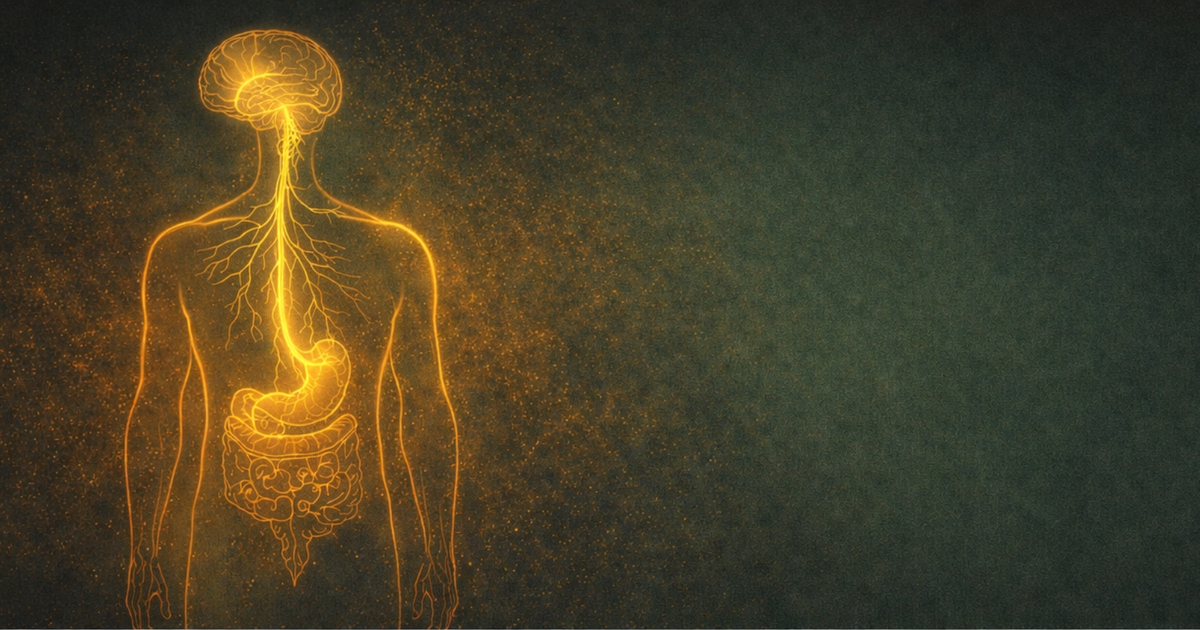
#890% of serotonin is made in your gut, not your brain. Learn how the gut-brain axis shapes your mood, cravings, and ability to build lasting habits — and what to do about it.
Read Article
#7Not all breathing exercises are equal. Learn which protocols shift your autonomic nervous system from fight-or-flight to calm — and the neuroscience behind why they work.
Read Article
#6Willpower isn't a character trait — it's a neurochemical state that depletes. Here's what the research says about why motivation-based approaches fail and what actually works at a biological level.
Read Article
#5The vagus nerve is the longest cranial nerve in your body — and it may be the single most important factor in whether new habits stick.
Read Article
#4Your brain has specific periods where it's primed for building new patterns. Understanding these windows can be the difference between habits that fade and habits that become automatic.
Read Article
#3Your morning isn't just about productivity — it's a neurochemical window that can set the tone for every habit you build the rest of the day.
Read Article
#2Chronic stress doesn't just make habits harder — it actively pushes your nervous system toward old patterns. Here's the science behind it and what you can do about it.
Read Article
#1The real work of habit formation may happen while you sleep. Research reveals how deep sleep consolidates new behaviors into lasting neural patterns.
Read Article